Description
Advances in Soil Science
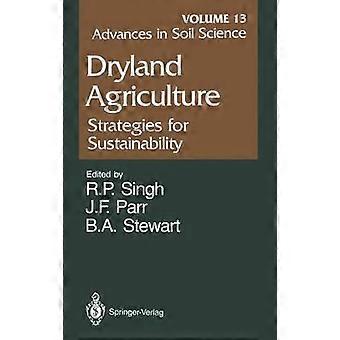
Improving the Sustainability of Dryland Farming Systems: A Global Perspective. - I. Introduction. - II. The Concept of Sustainability. - III. Dynamics of Soil Productivity. - IV. Opportunities and Limitations. - V. Perspectives and Strategies. - References. - Agroclimatology of Semiarid Lands. - I. Introduction. - II. Climatic Resources. - III. Soils. - IV. Agroclimatic Indices. - V. Limitations. - VI. Research Needs. - References. - Conservation Tillage Systems. - I. Introduction. - II. Conservation Tillage Equipment. - III. Weed Control. - IV. Water Infiltration Evaporation and Conservation. - V. Crop Growth Yields and Water Use. - VI. Soil Erosion and Environmental Quality. - VII Insects Plant Diseases and Other Pests. - VIII Soil Properties. - IX. Economies. - X. Summary and Conclusions. - References. - Tillage and Residue Management Effects on Soil Organic Matter Dynamics in Semiarid Regions. - I. Introduction. - II. Characteristics of Semiarid Regions. - III. Properties and Factors Affecting Soil Organic Matter. - IV. The Effect of Residues on Soil Structure. - V. Tillage and Residue Management Effects on Soil Organic Matter and Nutrients. - VI. Tillage Strategies for Improved Management of Organic Matter and Plant Nutrients. - VII. Cropping Methods for Maintaining Soil Organic Matter and Nutrients in Semiarid Areas. - VIII. Summary and Conclusions. - References. - Tillage Systems and Equipment for Dryland Farming. - I. Introduction. - II. Factors Affecting Selection of Tillage System. - III. Tillage Systems. - IV. Summary and Needs. - References. - Fertility Management and Nutrient Cycling. - I. Introduction. - II. Principles Relating Water and Nutrient Availability. - III. Water Deficits. - IV. Management Practices. - V. Conclusions. - References. - Water-Use Efficiency. - I. Introduction. - II. Seeding Rate and Planting Geometry. - III. Crop Calendars. - IV. Crop Selection and Germplasm Enhancement. - V. Water Management. - VI Soil Fertility. - VII. Research Needs for Improved Water-Use Efficiency. - References1. - Water Erosion and Water Quality. - I. Introduction. - II. Impacts. - III. Prediction. - IV. Research Needs. - V. Summary. - References. - Wind Erosion: Mechanics Prediction and Control. - I. Introduction. - II. Basic Wind Erosion Process. - III. Extent of Problem. - IV. Deposition of Eroded Material. - V. Impact on Soil Productivity. - VI. Wind Erosion Control. - VII. Conclusions. - References. - Methods for Removing Spatial Variability from Field Research Trials. - I. Introduction. - II. Experimental Design. - III. Methods of Statistical Analysis. - IV. Explicit Trend Analysis and Removal. - V. Comparison of Methods. - VI. Summary. - References. - Diseases Caused by Root-Infecting Pathogens in Dryland Agriculture. - I. Introduction. - II. Etiology. - III. Epidemiology. - IV. Host Range and the Effects of Crop Rotations. - V. Tillage and Crop Residue Management. - VI. Strategies and Approaches to Economic Control. - VII. Research Needs. - VIII. Epilog. - References. - The Role of Soil Biodiversity in Sustainable Dryland Farming Systems. - I. Introduction. - H. Diversity/Erodibility Relationships. - III. Early Bioindicators of Soil Degradation. - IV. Measurements to Characterize Biodiversity. - V. Implications for Conservation of Marginal Lands. - VI. Future Research Needs. - References. - Managing Crop Residues to Optimize Crop/Livestock Production Systems for Dryland Agriculture. - I. Introduction. - II. Available Water and Crop Yields. - III. Value of Crop Residues for Water Conservation. - IV. Effect of Surface Residue Management on Crop Yields. - V. Value of Crop Residues for Erosion Control. - VI. Progresswith Residue Management Systems. - VII. Conservation Management and Water Quality. - References. - Agroclimatic Approaches for Improving Agricultural Productivity in Semiarid Tropics. - I. Introduction. - II. Agroecological Features of the Semiarid Tropics. - III. The Indian SAT. - IV. The Sahelian SAT. - V. Botswana SAT. - VI. Summary and Conclusions. - References. - An Economic Analysis of Farm Management Practices and Improved Technologies in the Sahel. - I. Introduction. - II. Farming Conditions in Mali. - III. Technological Options for Dryland Farming. - IV. Soil Water and Crop Management Case Studies. - V. Case Study Results. - VI. Conclusions. - References. - Use of Crop Simulation Models in Dryland Agriculture. - I. Introduction. - II. Evaluation of New Crops in Australia. - III. Application of Grain Sorghum Simulation Models in Central Texas. - IV. Future Trends in Model Use. - References. - Strategies for Increasing the Productivity and Stability of Dryland Farming Systems. - I. Introduction. - II. Successful Dryland Regions. - III. Dryland Technologies. - IV. Research and Technology Transfer. - V. Research Needs. - VI. A Strategy for Achieving Improved Dryland Production. - References. Language: English
-
Fruugo ID:
343654390-752835396
-
ISBN:
9781461389842
Delivery & Returns
Dispatched within 6 days
Shipping from United Kingdom.
We do our best to ensure that the products that you order are delivered to you in full and according to your specifications. However, should you receive an incomplete order, or items different from the ones you ordered, or there is some other reason why you are not satisfied with the order, you may return the order, or any products included in the order, and receive a full refund for the items. View full return policy